Notes:
1. Dylan Thomas -DO NOT GO GENTLE INTO THAT GOOD NIGHT
Do not go gentle into that good night,
Old age should burn and rage at close of day;
Rage, rage against the dying of the light.
Though wise men at their end know dark is right,
Because their words had forked no lightning they
Do not go gentle into that good night.
Good men, the last wave by, crying how bright
Their frail deeds might have danced in a green bay,
Rage, rage against the dying of the light.
Wild men who caught and sang the sun in flight,
And learn, too late, they grieved it on its way,
Do not go gentle into that good night.
Grave men, near death, who see with blinding sight
Blind eyes could blaze like meteors and be gay,
Rage, rage against the dying of the light.
And you, my father, there on the sad height,
Curse, bless me now with your fierce tears, I pray.
Do not go gentle into that good night.
Rage, rage against the dying of the light.
◎五段論證法
*outrageous: 我好氣!
*stanza=段
--------------------中譯-----------------------
〈不要溫順地走入那良宵〉
不要溫順地走入那良宵,
龍鍾之年在日落時光也要燃燒並痛斥;
要咆哮、對著光明的消泯咆哮。
人生終點的智者明白黑暗的合理公道,
他們的話不再能夠激發出閃電,儘管如此
也不會溫順地走入那個良宵。
善良的人,當最後一浪掃過,會吼叫
說他們脆弱的善舉本可在綠色海灣舞得白熾,
並咆哮、對著光明的消泯咆哮。
狂暴的人會抓緊飛馳的太陽高唱,知道
他們已經令它悲傷了一路,雖說明白得太遲
但不會溫順地走入那個良宵。
陰沉的人臨近死亡視界會刺目般獨到
失明的眼睛像流星般閃光而蕩漾著欣喜,
並咆哮、對著光明的消泯咆哮。
而您,我的父親,升到了悲哀的至高,
儘管以縱橫的老淚詛咒我、祝福我,但求你
決不要溫順地走入那個良宵,
要咆哮、對著光明的消泯咆哮。
---------------------賞析-------------------
狄倫•湯瑪斯(Dylan Thomas1914-1953)是威爾士的著名詩人。他的生活可謂代表了公眾心目中最典型的放浪形骸的詩人形象。據說,本名Robert Allen Zimmerman的民謠搖滾巨星鮑勃�狄倫Bob Dylan就是因為崇拜Dylan Thomas才取Dylan作藝名的。他最後幾年住在美國,簡直就像自殺一樣地酗酒,死於酒精中毒。他到處朗誦,所到之處無不像明星一樣受到狂熱的崇拜。但是,他詩歌的可誦性卻是他注入心血的結果,據說他另一首長達54行的名篇Fern Hill《蕨菜山》(他度過童年時代的一座小山名)就有300多個草稿。
這首《不要溫順地走入那個良宵》是他最著名的一首詩。寫的是他面對彌留之際的父親時那種強烈的憤怒與哀痛。想到平時尤其是年少的時候,父親曾經的暴躁,此刻在垂老之時竟然如此孱弱。一個男人(尤其是自己的親人)面對死亡竟然如此忍氣吞聲任人宰割,同樣作為男人的兒子,恐怕不僅僅是憐憫可以盡訴。當這個兒子責斥一個失去爭鬥意志的男人時,他恐怕也面對著自己的恐懼。他在父親的形象上看到了自己的未來嗎?
翻譯這首是的最大困難在於其格律和詞義的不斷重複、互相印證。這種詩歌格式villanelle(三行雙韻詩)是西方獨有的,從十六世紀便已在法語中確立,可能源自是一種義大利鄉村歌謠(陰性詞尾表示這是一種曼妙柔美的舞蹈)。這種19行的詩歌格式是5個三行押韻詩節,加上1個四行押韻詩節,全詩只用兩個韻,前五個三行詩節的韻是ABA,最後的四行詩節是ABAA,每行10音節。由於是法語詩的格律,有一種法語獨特的柔和感(以陰韻作尾韻),在英語中往往是用雙母音的尾韻,在這首詩中則是/ait/ 和 /ei/。這種格律的最大效果是一種繁複紛遝感,無論聲音還是意象都使讀者感到一種縈回不去的繚繞感。這種音韻的特殊效果在這首詩中顯然得到了充分的運用和發揮,和主題配合得天衣無縫,一方面,迴旋的尾韻應和著主題中的不捨,另一方面,堅硬的用詞(如rave, rage等詞的聲音和詞義)反襯著對死亡以及對它的疲軟態度的恨怒。
轉載自:http://blog.yam.com/kuriko166/article/11644407
2. pride: 驕傲之罪 (page 1457) inferno (page xiv)=hell
also known as the Capital Vices or Cardinal Sins, is a classification of objectionable vices that has been used since early Christian times to educate and instruct followers concerning fallen humanity's tendency to sin. The final version of the list consists of wrath, greed, sloth,pride, lust, envy, and gluttony.
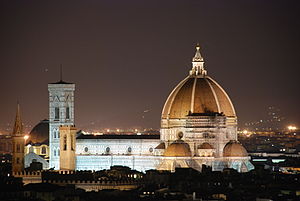
4. Dante : Florentine (Florence Cathedral: 百花大教堂)
* pieta: 聖母哀子像

*Sistine Chapel:創世紀圖像(頭往上看)

*Catholic Church: 天主教會
5. Icarus: craftsman 工匠
*Die Another Day(誰與爭鋒)
*Fall: (1)掉落 (2)墮落
*bellerophon: 天馬座的由來 (爸爸為兒子做翅膀→皆以為人定勝天)

6. seven virtues:
In Catholic catechism, the seven virtues refer to one of two lists of virtues, most commonly referring to the 4 cardinal virtues of prudence, justice, restraint or temperance, and courage or fortitude, and the 3 theological virtues of faith, hope, and love or charity; these were adopted by the Church Fathers.
An alternative list, the seven heavenly virtues, is opposed to the seven deadly sins, and consists of chastity, temperance, charity, diligence, patience, kindness, and humility.
7.〈To Helen〉
*hyacinth(風信子)+hair= 紅髮
* 鄭愁予〈野店〉
是誰傳下這詩人的行業/黃昏裹掛起一盞燈
啊,來了/有命運垂在頸間的駱駝
有寂寞含在眼裹的旅客/是誰掛起的這盞燈啊
曠野上,一個矇矓的家/微笑看……
有松火低歌的地方啊/有燒酒羊肉的地方啊
有人交換著流浪的方向…
9.movie: 戰神傳奇→Odysseus的故事
10. the cripple blacksmith: 鐵匠
11. lame (the son of Zeus) cripple: 跛腳
12. Achilles die for honer(榮譽).
-----------------------------------
* learn: 得知 (get inform)
* cunning: 狡詐
* witty: 機智
* bard=minstrel=吟遊詩人
* attention: 立正
* at ease: 稍息
* assembly: 集合

請先 登入 以發表留言。