Notes:
1. mimesis: 模擬論 (模仿再重現, 無關道德)
2. OT: 舊約聖經 NT: 新約聖經
3. The Confessions: 《懺悔錄》
is the name of an autobiographical work, consisting of 13 books, by St.Augustine of Hippo, written between AD 397 and AD 398. Modern English translations of it are sometimes published under the title The Confessions of St. Augustine in order to distinguish the book from other books with similar titles.
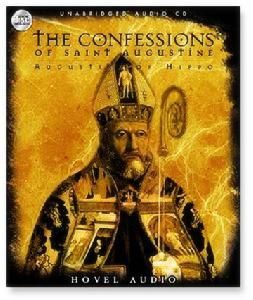
(from:http://ft24.blogbus.com/logs/36897891.html )
4. reason, reasonable (合理化)
Aeneid : is a Latin epic poem written by Virgil in the late 1st century BC (29–19 BCE) that tells the legendary story of Aeneas, a Trojan who traveled to Italy, where he became the ancestor of theRomans. It is composed of roughly 10,000 lines in dactylic hexameter. The first six of the poem's twelve books tell the story of Aeneas' wanderings from Troy to Italy, and the poem's second half tells of the Trojans' ultimately victorious war upon the Latins, under whose name Aeneas and his Trojan followers are destined to be subsumed.

*mission: 使命 (ex: 傳教)
5.羅馬人較保守(the social seriousness and sense of order of the Romans)
6.pride, 希臘字: hubris
7.希伯來: inadequacy → We are only a man
(1) Omnipotent= all powerful
(2)Omniscient= all knowing
(3)The third person omniscient point of view→ 第三人稱觀點
unconscious: 無意識的 ←→ conscience (發音相近)
8.Catharsis=Katharsis
9. Hamartia: tragic flaw
moral failing
「is a term developed by Aristotle in his work Poetics」
character's flaw or error
includes accident and mistake
person can commit against another person
10. He is suffering from the ill. (他長年為此病所苦)
11. Tragedy p.502
Theater of ancient Greece.
12. Orchestra: 管旋樂演出

*Greek chorus: 與台下觀眾有互動
ex: whereas in Euripides 〝The Bayreuth 〞
13. Hubris: arrogance=極度驕傲
competence:能力
14. protagonist: 主角
*traits: 特質
*tragic heroes
15.Medea
repent for their errors: 修補她的錯誤
you've 〝gone 〞(or 〝done〞) too far.
16.sabbath: 安息日
*Adam: 亞當+Eve: 夏娃= Cain(長子), Seth, Abel
*該隱: 印記
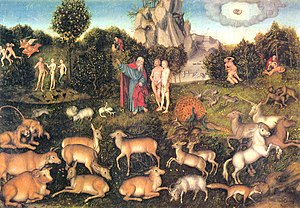
*Garden of Eden= 伊甸園
is described in the Book of Genesis as being the place where the first man, Adam, and his wife, Eve, lived after they were created by God. Literally, the Bible speaks about a garden in Eden (Gen. 2:8). This garden forms part of theGenesis creation narrative and theodicy of the Abrahamic religions, often being used to explain the origin of sin and mankind's wrongdoings. The Archangel Uriel, with his flaming sword, is said to be guarding the Gate to the Garden of Eden.
The Genesis creation narrative relates the geographical location of both Eden and the garden to four rivers (Pishon, Gihon, Tigris, Euphrates), and three regions (Havilah, Assyria, and Kush).[2] There are hypotheses that place Eden at the headwaters of the Tigris and Euphrates (northern Mesopotamia), in Iraq(Mesopotamia), Africa, and the Persian Gulf. For many medieval writers, the image of the Garden of Eden also creates a location for human love and sexuality, often associated with the classic and medieval trope of the locus amoenus.[3]
*clay: 黏土
*rib:肋排
17.I fall to the ground. (我摔到地上)
fall→墜落
18. serpent: 響尾蛇
*fig tree
*eternity
19.man: bread
labor(n.) 生產
20.Cain: Am I my brother keeper?
21.Prophet: 預言者、先知
*Omen→自由、平靜
*olive
p.s Taiwan police

(from: http://www.meilung.com/product/03%20TAIWAN/0303%20other/other.htm)
American eagle

(from: http://www.yourbrushwiththelaw.com/roll_body2006.htm)
21.索多馬之城
剩下ㄧ家,老婆回頭看ㄧ眼,Lot's wife變成鹽柱
*Babylon:巴比倫

請先 登入 以發表留言。